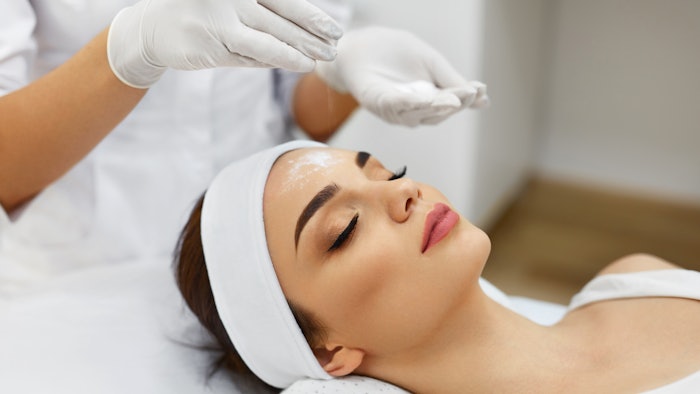
Deciding to undergo Botox treatment is a significant step toward achieving a more youthful appearance, and understanding what to expect during your first appointment can help you feel more prepared and comfortable. Botox, a popular non-surgical cosmetic 鼻埋線 procedure, involves the injection of a purified protein into specific facial muscles to temporarily relax them, reducing the appearance of fine lines and wrinkles. Here’s a detailed overview of what you can anticipate during your first Botox experience.
- Initial Consultation
Your journey begins with an initial consultation with a qualified medical professional, usually a dermatologist or plastic surgeon. During this session, you’ll discuss your aesthetic goals and concerns. The practitioner will evaluate your facial structure and recommend areas where Botox can be beneficial. They will also inquire about your medical history, including any medications you’re taking and any previous cosmetic treatments, to ensure you’re a suitable candidate for the procedure. - Understanding the procedure
After assessing your needs, the practitioner will explain the Botox procedure in detail. They will discuss how the injections work, what results you can expect, and the potential risks and side effects. It’s essential to ask questions and voice any concerns you may have during this time. A reputable practitioner will take the time to provide you with all the information you need, ensuring you feel informed and confident in your decision. - Pre-Treatment Instructions
Before your appointment, the practitioner may provide pre-treatment instructions to follow. This might include avoiding blood-thinning medications, such as aspirin or ibuprofen, for a few days prior to the treatment. These precautions help minimize the risk of bruising at the injection sites. Staying hydrated and refraining from alcohol consumption the night before can also contribute to a smoother experience. - The day of the Appointment
On the day of your Botox appointment, you will arrive at the clinic where the procedure will take place. After checking in, you may need to fill out some paperwork, including consent forms. The practitioner will then cleanse your face and may apply a topical numbing cream to reduce discomfort. The actual injection process typically takes about 10 to 30 minutes, depending on the number of areas being treated. - The Injection Process
Using a fine needle, the practitioner will inject Botox into specific muscles. You might feel a slight pinch or stinging sensation during the injections, but this is usually minimal. Many patients report that the discomfort is quite tolerable. The practitioner will carefully monitor your reactions and adjust the treatment as necessary to ensure optimal results. After the injections, they may apply ice to the treated areas to minimize swelling. - Post-Treatment Care
After your Botox treatment, you can resume normal activities immediately, although it’s advisable to avoid strenuous exercise, alcohol, and excessive sun exposure for 24 hours. The practitioner will provide specific post-treatment instructions, which may include refraining from lying down or massaging the treated areas for several hours. This allows the Botox to settle properly into the muscles and achieve the best results. - Results and Follow-Up
You will typically start to notice results within three to five days after your appointment, with the effects peaking around two weeks. The results can last between three to six months, depending on factors like individual metabolism and the areas treated. To maintain your desired look, follow-up appointments can be scheduled as needed. Regular treatments can help prolong the effects and keep your appearance youthful.
In conclusion, preparing for your first Botox appointment involves understanding the entire process, from consultation to post-treatment care. By being informed and choosing a qualified practitioner, you can enhance your confidence and achieve the aesthetic results you desire. Remember, the key to a successful Botox experience lies in communication with your provider and setting realistic expectations.